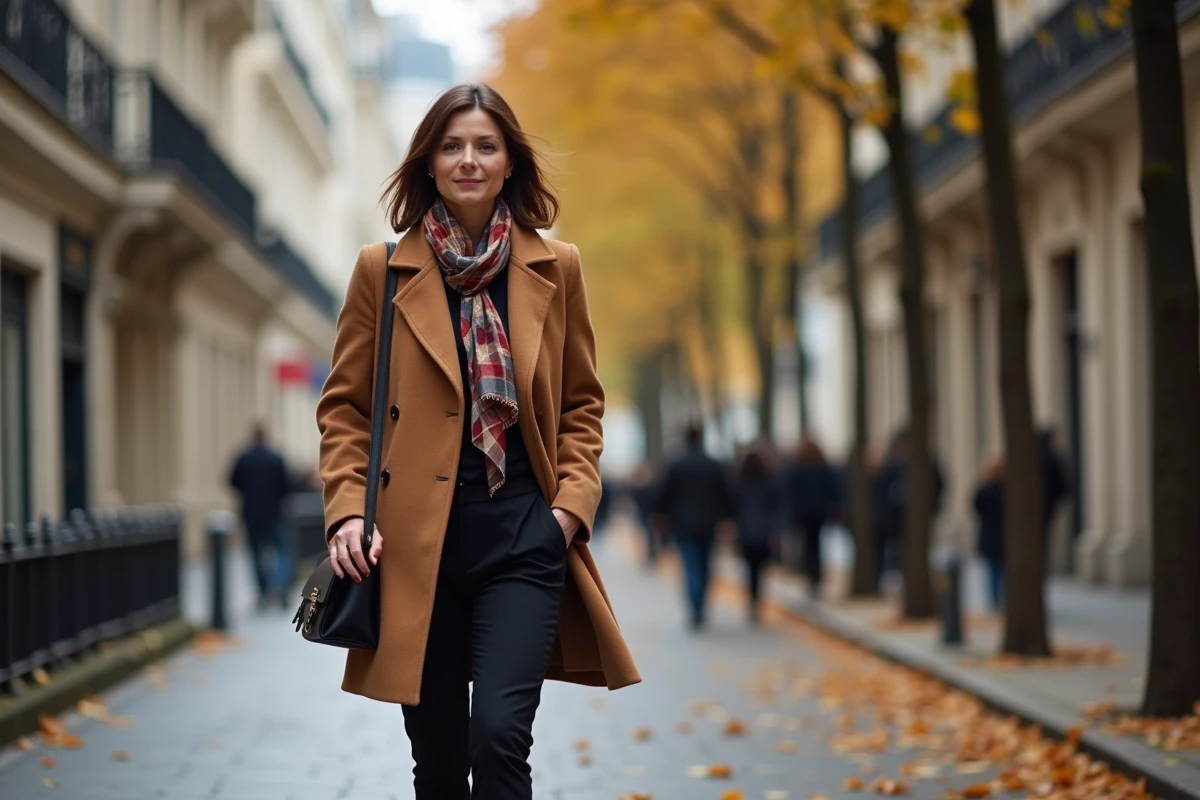
Fashion in Paris is read as much in the exhibitions at the Palais Galliera as on the sidewalks of the Marais. This spring, Parisian silhouettes absorb two currents that seemed incompatible: a minimalism in Mediterranean tones and a marked return of the ample volumes inherited from the 90s. Fashion trends in Paris are no longer limited to a fixed seasonal wardrobe; they are now built in places and formats that classic guides often overlook.
Fashion exhibitions in Paris: when museums dictate everyday palettes
The major Parisian fashion exhibitions play a role that fashion shows no longer occupy alone. Rather than simply documenting the history of clothing, they function as laboratories of colors and silhouettes for visitors who then adapt what they see to their own wardrobe.
The mechanism is concrete: a retrospective on a 70s designer reignites interest in certain trouser cuts or specific texture plays. The showcased tones (ochres, terracotta, midnight blue) are found a few weeks later in the street style of central neighborhoods. This circulation between fashion culture and everyday urban style structures part of the Parisian clothing choices, well beyond what Fashion Week calendars propose.
To follow these movements throughout the seasons, fashion news on Faits sur Paris offers a useful entry point into the clothing dynamics of the capital.
Mediterranean style and 90s volumes: the mix that defines Paris in 2026
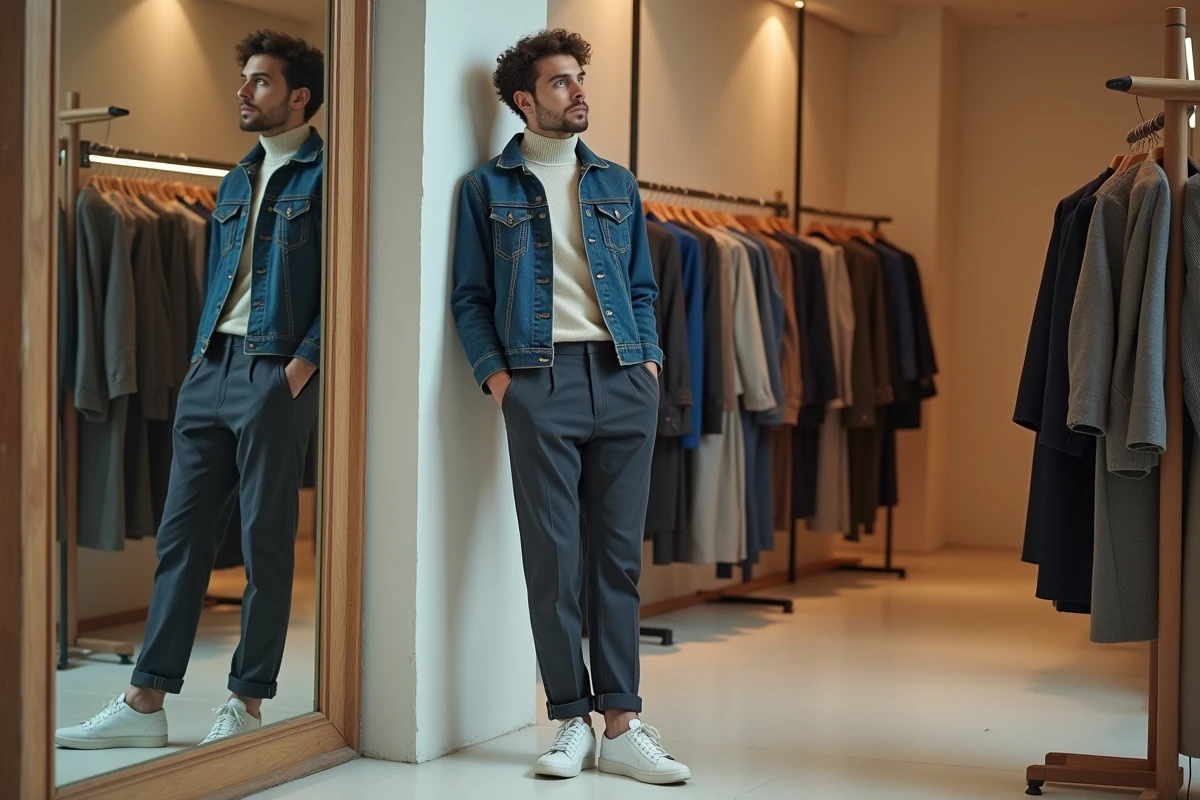
Two influences coexist in the Parisian streets without neutralizing each other. On one side, an assumed Mediterranean simplicity: natural materials (linen, raw cotton), earthy tones, off-white, faded blue. On the other, oversized volumes directly borrowed from the 90s: baggy pants, oversized jackets, slouchy sweaters.
This crossover produces silhouettes that resemble neither traditional Parisian chic nor pure streetwear. A wide beige linen pant worn with an oversized blazer and flat sandals summarizes quite well what is observed between Saint-Germain and the Canal Saint-Martin.
Colors and materials circulating this spring
- Earth tones (sand, terracotta, light khaki) dominate the upper pieces, often in unbleached natural fibers or plant-dyed.
- Blue, from cerulean to navy, returns on structural pieces (jackets, midi skirts) after several seasons of retreat.
- Wrinkled materials and raw textures are gaining ground against smooth and synthetic fabrics, a sign of a shift towards a tactile wardrobe rather than a visual one.
Field reports diverge on the sustainability of this Mediterranean trend: some creators see it as a fundamental movement linked to climate change and the adaptation of wardrobes to hotter summers, while others consider it a classic aesthetic cycle that will eventually fade.
Vintage and second-hand events: the real trend spotting places in Paris
Designer sales, organized closet clear-outs, and second-hand markets have multiplied in Paris in recent seasons. These events are no longer just opportunities for discounted shopping. They function as accessible trend spotting places, where one observes what Parisians are seeking, reselling, and pairing.
A closet clear-out in the Marais or a fashion flea market near Bastille allows one to spot vintage pieces that are coming back into circulation: 80s leather jackets, wide-collared shirts, structured bags from past collections. What sells quickly in these circuits often indicates what will be visible on the street a few weeks later.
Confidential boutiques and emerging designers
Alongside ephemeral events, new Parisian boutiques with limited editions structure an alternative offering to large chains. These addresses, often located in transitioning neighborhoods (east of the 10th, north of the 11th), offer pieces from young French or European designers, produced in small series.
Their role in the dissemination of fashion trends in Paris is underestimated. They serve as a filter between fashion shows (where proposals sometimes remain theoretical) and the street (where budget and practicality constraints take precedence). A designer who sells well in three confidential boutiques in the 10th arrondissement gives a more reliable signal about real Parisian tastes than a collection presented on a runway.
Style tips in Paris: distinguishing a lasting trend from a seasonal effect
Not all visible trends in Paris deserve the same investment. A few criteria can help sort them out before buying.
- A trend that is seen both in street style, in vintage boutiques, and among emerging designers is more likely to last than a trend solely pushed by social media.
- Pieces in natural materials and simple cuts (straight blazers, wide pants, shirt dresses) withstand the seasons better than pieces with strong details (cut-outs, very marked prints).
- A garment that works with at least three existing outfits in your wardrobe constitutes a more solid purchase than a spectacular but isolated piece.
- The price per wear remains the best indicator: a high-priced blazer worn twice a week for three years costs less than a trendy top worn twice.
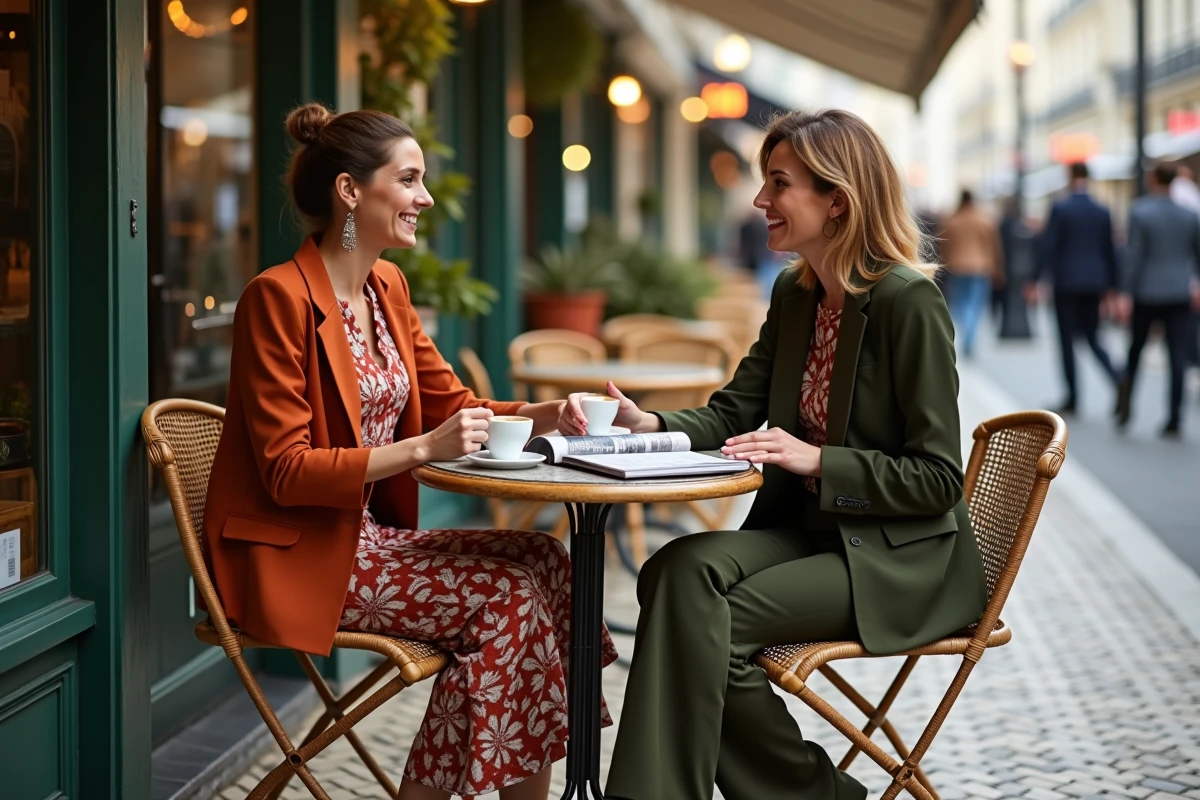
The Parisian style of 2026 is built less on key pieces than on combinations: a vintage garment with a current cut, a raw material with a structured accessory. The underlying trend is a logic of composition rather than accumulation. Parisians who master their style best are rarely those who buy the most, but those who combine what they already own with one or two well-chosen pieces each season.