
Mike Tyson is still regularly presented as an icon of sports veganism. This image, forged in the late 2000s during his public conversion to a diet free of animal products, no longer reflects the reality of his current eating habits. Between the strictly vegan phase, documented weight loss, and the gradual reintroduction of animal products, the dietary journey of the former heavyweight champion deserves a more accurate reading than the usual narrative.
Mike Tyson’s Vegan Diet: Timeline and Real Evolution
Mike Tyson’s dietary trajectory is not just a before/after scenario. It breaks down into several distinct phases, rarely compared in French-language articles.
| Period | Type of Diet | Context |
|---|---|---|
| Active Career (1980s-1990s) | Conventional diet, rich in animal proteins | Intensive training, professional competition |
| Late 2000s | Transition to strict veganism | Sports retirement, desire to lose weight and “detoxify” |
| 2010s | Publicly vegan, associated with promoting the vegan lifestyle | Media appearances, documentaries |
| Since the late 2010s | Flexible plant-based (mostly plant, occasional animal products) | Preparation for exhibition fights, performance adjustments |
This table highlights a point that most mainstream sources overlook: Tyson has not been strictly vegan for several years. He himself has acknowledged reintroducing meat and animal products into his diet, depending on his physical needs.
To better understand Mike Tyson’s vegan diet and what it actually entails, one must distinguish between media discourse and daily practice, which has significantly evolved.
Flexible Plant-Based: What Tyson Eats Today
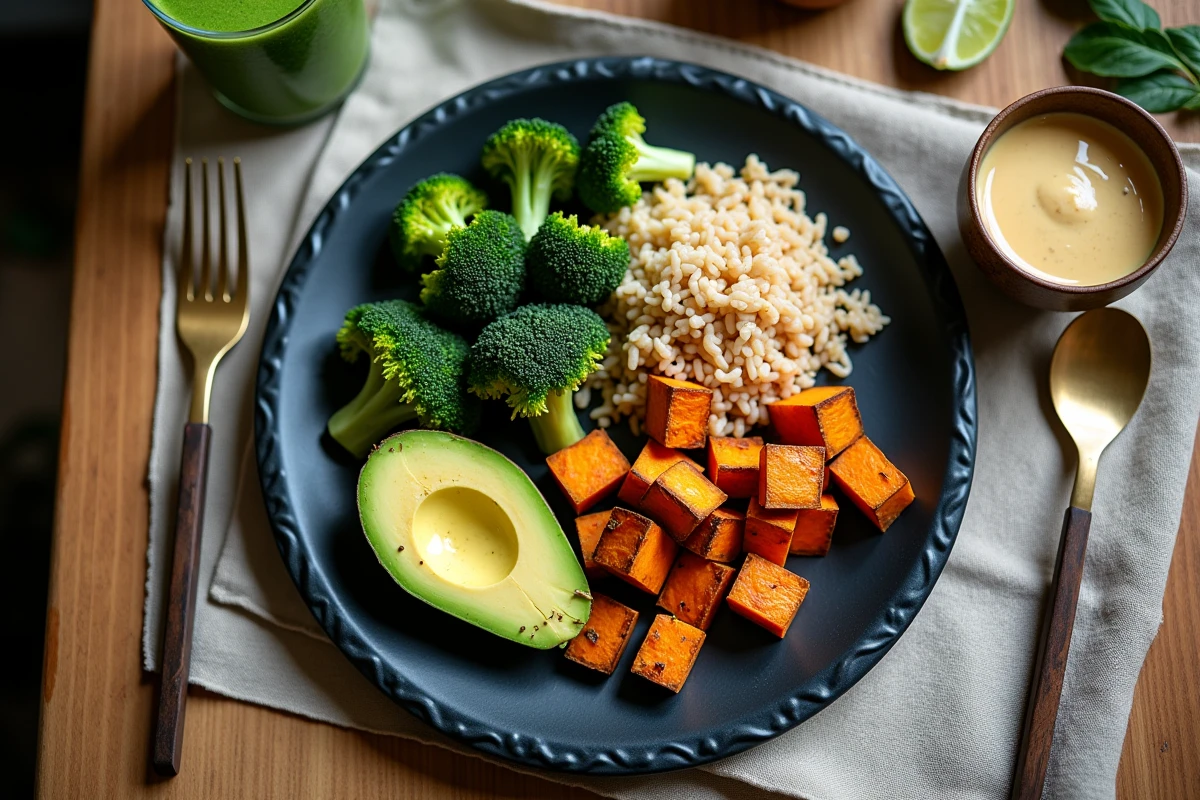
The term that best describes Tyson’s current diet is flexible plant-based. The foundation of his meals remains plant-based: vegetables, fruits, whole grains, proteins from legumes. However, during phases of intensive training or preparation for exhibition fights, he occasionally reintroduces animal products.
This pattern is not unique to Tyson. Several boxers and fighters who have transitioned to plant-based diets report a similar journey: initial benefits in weight and recovery, followed by adjustments to maintain performance. The approach often converges towards a predominantly plant-based diet, supplemented by targeted animal sources.
Dietary Supplements in a Predominantly Plant-Based Diet
A technical point often overlooked in articles about vegan athletes concerns supplementation. Athletes who maintain a significant plant-based foundation generally keep key supplements:
- Vitamin B12, absent from plant foods and essential for energy metabolism and red blood cell formation
- Long-chain Omega-3 (DHA), whose plant sources (flax, chia) mainly provide ALA, which is less readily usable by the body than the forms found in fish
- Vitamin D, often deficient in athletes regardless of their diet, but whose deficiency risk increases without dairy or fatty fish
This supplementation remains necessary even in a flexible plant-based diet, as long as the plant portion significantly exceeds the animal portion.
Weight and Physical Condition: The Documented Effect of Transitioning to Plant-Based
Tyson’s conversion to veganism coincided with a visible and publicly commented weight loss. After his retirement, his weight had significantly increased. Transitioning to an exclusively plant-based diet allowed him to regain a physique closer to that of his competitive years.
Weight loss has been the most publicized benefit of his vegan period. Tyson himself stated that he felt better physically and mentally. This psychological dimension, often associated with a sense of “purification” or personal renewal, has largely contributed to his media portrayal as a figure of veganism.
The question of athletic performance is more nuanced. For a retired athlete seeking to improve overall health, a well-conducted vegan diet can yield tangible results. For an active competitor in a combat sport, the constraints are different: caloric density, sufficient protein intake, rapid muscle recovery.

The Reintroduction of Animal Products Before Exhibition Fights
When Tyson returned to the spotlight with exhibition fights, his diet evolved towards greater flexibility. This choice seems dictated by practical considerations: intensive physical preparation requires a dense and quickly assimilable protein intake, more easily achieved with animal sources.
This partial return to meat has not received the same media coverage as his initial conversion. The image of the “boxer turned vegan” remains more marketable than that of a former vegan who occasionally eats meat again.
Vegan Diet and Combat Sports: Practical Limits
Tyson’s journey illustrates a broader dynamic in the combat sports world. The strict transition to plant-based often functions as a reset phase, particularly beneficial after years of dietary excess or during periods of transition. The effects on weight, inflammation, and overall well-being are regularly reported by the athletes involved.
The difficulty arises when performance demands become a priority again. Maintaining a strict vegan diet during active preparation requires rigorous nutritional planning, regular biological monitoring, and appropriate supplementation. Without this support, the risks of deficiency or underperformance increase.
This precisely explains the recurring pattern observed in several fighters: enthusiastic adoption of veganism, real initial benefits, followed by gradual adjustment towards a hybrid model that retains the plant-based foundation while reintroducing animal products in a targeted manner.
The case of Mike Tyson remains the most emblematic of this trajectory, precisely because his notoriety has amplified each step. His dietary journey, far from being an argument for or against veganism, shows that an athlete’s diet is an adaptive process, not a fixed dogma.